What I’ve come to learn is that the vast majority of patients know very little about acupuncture and dry needling. By far, the most common questions I hear are:
- What can acupuncture be used for?
- Does it hurt?
- What is dry needling?
My goal with this blog entry is to simply scratch the surface of both acupuncture and dry needling. And, because I love a good list, that’s exactly what I’m going to use to help you understand what each modality does and how they differ.
Acupuncture
- Rooted in Traditional Chinese Medicine (TCM)
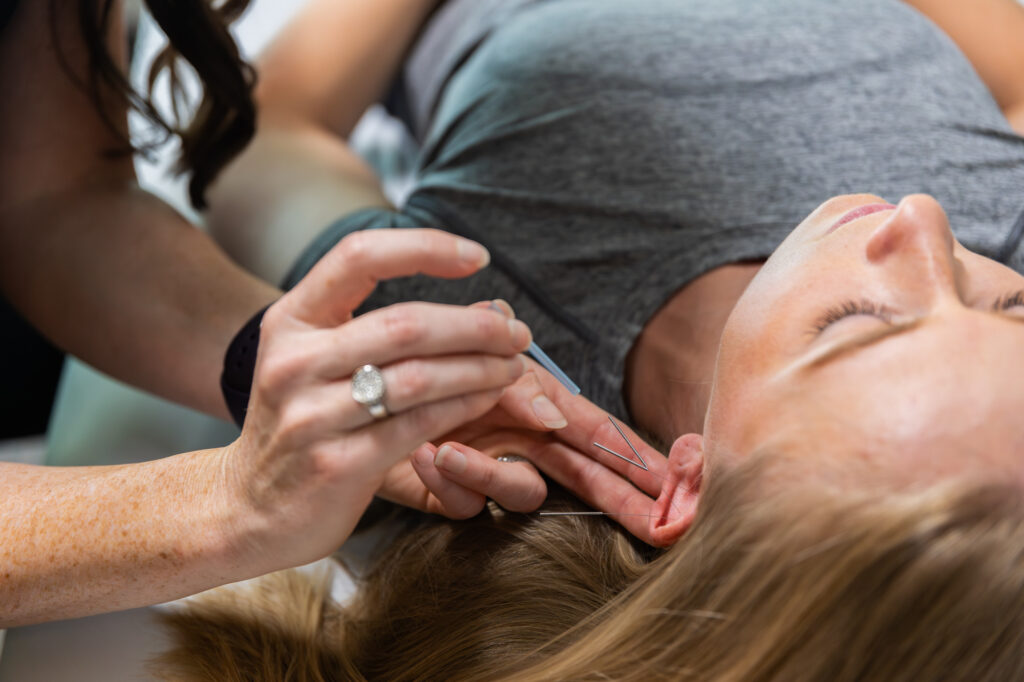
- Involves the insertion of hair-thin needles into specific points along meridians in the body
- Focuses on balancing energy (Qi) and supporting both physical and mental health
- Commonly used to treat musculoskeletal pain, as well as other systems of the body
- Performed by licensed acupuncturists or healthcare providers with advanced training and certification (this is not a weekend seminar, but a more extensive educational process)
- Typically involves a longer treatment time; my goal is to leave the needles in for at least 30 minutes so patients can relax, nap, and/or meditate
Dry Needling
- Based in Western medicine
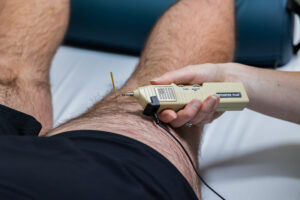
- Involves the insertion of hair-thin needles, primarily targeting myofascial trigger points
- The goal is to reduce pain, deactivate trigger points, and improve movement
- During treatment, the practitioner looks for a motor response (a muscle twitch), which indicates the muscle has released tension and no further needling is required in that area
- Performed primarily by physical therapists and other healthcare professionals with appropriate certification
- Typically shorter in duration, as treatment focuses on eliciting a muscle response rather than prolonged needle retention
I hope this provides some clarity! If you have additional questions or what to schedule an appointment give us a call at 515-277-2377 or request an appointment on our website.
Blog by Dr. Abbie Mork at Price Performance Chiropractic